Medicine, Mayoralty, and the NJ-12 Race
with Dr. Brad Cohen
April 2026
About This Episode
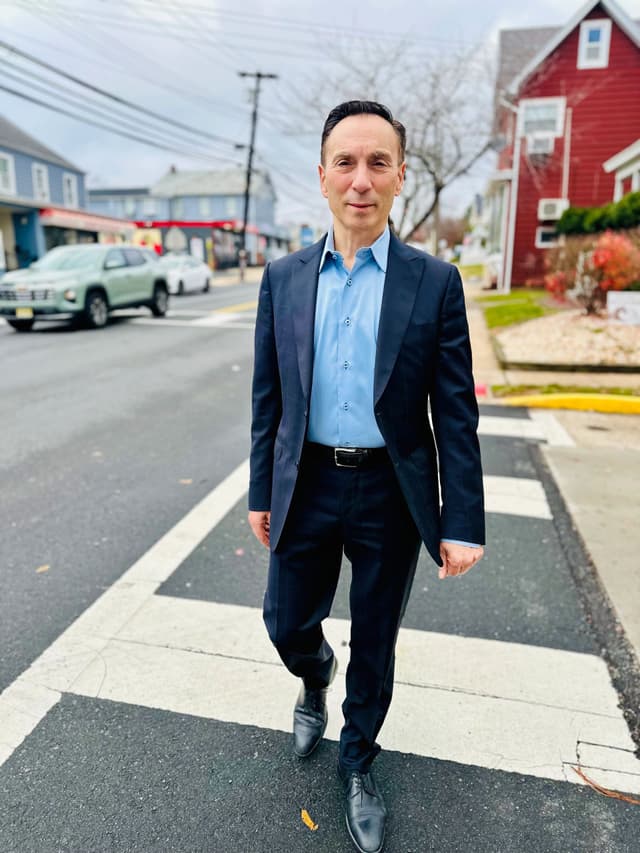
In Episode 7, David Piegaro sits down with Dr. Brad Cohen, the mayor of East Brunswick and a candidate in the Democratic primary for New Jersey's 12th Congressional District. Recorded at the new East Brunswick Ice Arena, the conversation ranges from local government and housing to health care, immigration, science, and what effective public service should look like in a polarized moment.
Brad talks through his path from medicine into public life, including how Christie-era school funding fights pulled him into school board politics before he ultimately ran for mayor. He and David dig into redevelopment in East Brunswick, the push and pull between local control and statewide housing reform, first-time homeownership, and what affordability-focused policymaking could look like at the federal level.
They also cover physician shortages, single-payer and broader health care reform, immigration and ICE, vaccines and the life-sciences economy in Central New Jersey, and the lane Brad sees for himself in a crowded NJ-12 primary field.
Topics Covered
- Dr. Cohen's New Jersey roots and career in medicine
- Why he first ran for school board during the Christie era
- How he approaches local government as problem-solving work
- Redevelopment, affordability, and housing in East Brunswick
- Local control versus state housing mandates
- Health care reform, physician shortages, and single-payer debates
- Immigration policy, ICE, vaccines, and science leadership
- The NJ-12 Democratic primary and the kind of Democrat he thinks can win
About the Guest
Dr. Brad Cohen is the current mayor of East Brunswick, New Jersey, and a candidate for Congress in NJ-12. In the episode, he describes himself as a lifelong New Jersey guy who grew up in Parsippany, studied at Muhlenberg, completed medical school and business school in New Jersey, and built his professional life in Central Jersey.
Before becoming mayor, Cohen served on the school board and practiced as a physician. He frames his public service around affordability, practical governance, and solving problems for residents rather than turning politics into performance.